
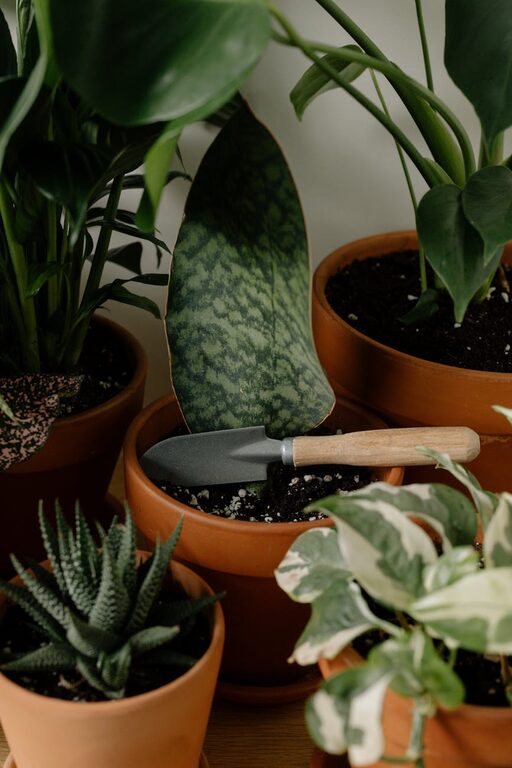
Bringing houseplants into your living space can brighten up any room, improve air quality, and add a touch of nature to your daily life. However, keeping these leafy friends healthy requires some care and attention. Whether you’re new to houseplants or looking to improve your indoor garden skills, this guide offers practical tips to help your plants flourish.
Understanding Your Houseplants' Needs
Different plants have different requirements. Before diving into care routines, know what type of plants you have and what they generally need.
Light Requirements
Plants vary in their light preferences:
– Bright, indirect light: Many popular houseplants like pothos and snake plants thrive here.
– Direct sunlight: Succulents and cacti usually need several hours of direct sun.
– Low light: Some ferns and ZZ plants can tolerate or even prefer lower light levels.
Placing your plants in their ideal light conditions is one of the most important steps to keeping them healthy.
Watering Wisely
Overwatering is one of the most common reasons houseplants fail. It’s essential to:
– Check the soil moisture before watering. Stick your finger about an inch into the soil—if it feels dry, it’s time to water.
– Water thoroughly but ensure excess water drains out to avoid root rot.
– Adjust watering schedules based on the season; plants usually need less water during the winter months.
Choosing the Right Soil and Pots
Suitable soil and pots contribute significantly to the health of your plants.
Soil Type
Most houseplants prefer well-draining soil. For example:
– Cacti and succulents need gritty, sandy soil.
– Tropical plants often require peat-based, moisture-retentive soil.
You can find specialized potting mixes designed for different plant types at garden centers.
Pots with Drainage
Always use pots with drainage holes to prevent water from pooling at the bottom, which can lead to root rot. If using decorative pots without holes, consider placing a plant in a smaller plastic pot with drainage inside.
Feeding Your Plants
Plants need nutrients to grow.
Fertilizing Basics
– Use a balanced, water-soluble fertilizer during the growing season (spring and summer).
– Follow the instructions on the fertilizer package; more is not always better.
– Avoid fertilizing during the dormant period (usually fall and winter) unless the plant is actively growing.
Maintaining Proper Humidity and Temperature
Many houseplants, especially tropical ones, thrive with higher humidity.
Increasing Humidity
– Group plants together to create a humid microenvironment.
– Use a humidity tray filled with water and pebbles beneath your pots.
– Consider a room humidifier, especially in dry climates or during winter heating.
Temperature Considerations
Most houseplants prefer temperatures between 60°F and 75°F (15°C to 24°C). Avoid placing plants near drafts, heating vents, or air conditioners, which can cause stress.
Routine Plant Care Tips
Keeping your plants healthy is easier when you make care part of your regular routine.
Inspect for Pests and Diseases
Check leaves and stems often for signs of pests like spider mites, aphids, or scale. Early detection makes treatment easier. Wipe leaves with a damp cloth to remove dust and discourage pests.
Pruning and Cleaning
Remove dead or yellowing leaves regularly to encourage new growth. For some plants, shaping via pruning promotes bushier, healthier foliage.
Repotting
As your plant grows, it may outgrow its pot. Signs it’s time to repot include roots growing out of drainage holes or the soil drying out very quickly. Choose a pot slightly larger than the current one and refresh the soil.
Troubleshooting Common Issues
Sometimes plants can show signs of distress. Common problems include:
– Yellow leaves: Could indicate overwatering.
– Wilting: May be a sign of underwatering or root problems.
– Leggy growth: Often caused by insufficient light.
– Brown leaf tips: Could result from low humidity or salt buildup from fertilizer.
Observing these symptoms early helps you adjust care and bring plants back to health.
Final Thoughts
Taking care of houseplants is a rewarding hobby that brings natural beauty and calm indoors. With attention to their specific needs in light, water, soil, and humidity, you can create a thriving indoor garden. Regular observation and timely adjustments go a long way toward ensuring your green friends stay happy and healthy for years to come.
Happy planting!