
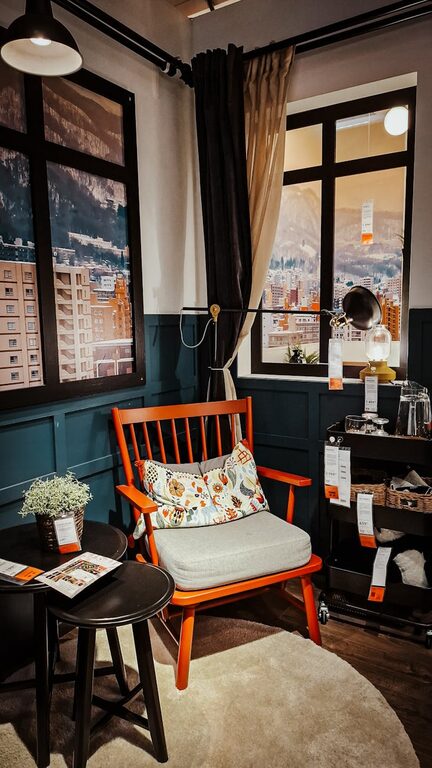
Creating a comfortable home lighting setup is essential for making your living spaces welcoming and functional. Good lighting doesn’t just brighten a room; it sets the mood, highlights design features, and supports your daily activities. However, choosing the right lighting can sometimes feel overwhelming given the variety of options available. In this post, we’ll share friendly, easy-to-follow tips to help you select lighting that’s both comfortable and stylish for your home.
Why Comfortable Lighting Matters
Lighting affects more than just visibility—it influences your mood, productivity, and even your health. Harsh or poorly placed lights can cause eye strain and fatigue, while soft, well-distributed lighting can make a room feel cozy and calm. By choosing comfortable home lighting, you create spaces where you and your family can relax, work, and entertain comfortably.
Understand Different Types of Lighting
Before selecting fixtures, it’s helpful to know the three main types of lighting:
1. Ambient Lighting
This is your room’s general lighting, usually provided by ceiling fixtures or recessed lights. It creates an overall layer of light that allows you to see and move safely.
2. Task Lighting
Focused lighting designed for specific activities such as reading, cooking, or working. Examples include desk lamps, under-cabinet kitchen lights, and vanity lights.
3. Accent Lighting
Used to highlight artwork, architectural features, or plants. Accent lights include spotlights, wall sconces, and LED strips.
Combining these three types creates a balanced, flexible environment.
Tips for Choosing Comfortable Lighting
1. Consider the Room’s Function
Start by thinking about what activities you’ll do in each room. For example:
– Living room: Flexible ambient lighting with some task options for reading or hobbies.
– Kitchen: Bright task lighting near counters and stove, with softer ambient light.
– Bedroom: Warm, dimmable lighting to help you wind down.
– Bathroom: Clear lighting around mirrors for grooming.
Knowing the function will guide you to the right lighting styles and brightness levels.
2. Aim for Adjustable Brightness
Lighting needs can change throughout the day and for different activities. Installing dimmers or using smart bulbs allows you to adjust brightness easily. This adaptability helps in creating comfortable environments without harsh glare or darkness.
3. Pay Attention to Color Temperature
Color temperature is measured in Kelvins and describes the warmth or coolness of light:
– Warm light (2700K–3000K): Creates cozy, relaxing atmospheres ideal for bedrooms and living rooms.
– Neutral white (3500K–4100K): Good for kitchens and workspaces, offering a clear and natural light.
– Cool white (5000K+): Bright and energizing, suitable for garages or task areas but can feel harsh in living spaces.
Choosing the right color temperature can significantly affect room comfort.
4. Use Multiple Light Sources
To avoid shadows and uneven lighting, use several light sources at different heights and locations. For example, combine ceiling lights, table lamps, and floor lamps in one area. This layering adds depth to your room and enhances comfort.
5. Select Fixtures That Complement Your Style
While comfort is key, you’ll also want your lighting fixtures to match your décor. From modern minimalist to classic or industrial styles, the right fixture can be both functional and decorative.
6. Reduce Glare and Shadows
Glare from overly bright or exposed bulbs can be uncomfortable. Use shades, diffusers, or frosted bulbs to soften the light. Position lights so they don’t create harsh shadows where you need clear visibility.
7. Ensure Proper Lighting Placement
Proper placement prevents struggling to see or encountering dark spots. For example, position task lighting directly above or beside work areas. Avoid placing bright lights directly in your line of sight.
8. Consider Energy Efficiency
LED bulbs use less energy and last longer than traditional bulbs, making them a smart choice. Plus, many LEDs come in adjustable color temperatures and dimmable options, combining comfort with sustainability.
Additional Enhancements to Improve Lighting Comfort
Use Smart Lighting Controls
Smart lighting allows you to program schedules, automate scenes, and control lights remotely. This can enhance comfort by matching lighting to your routine effortlessly.
Incorporate Natural Light
Maximize daylight with window treatments that let in soft light while reducing glare. Natural light improves well-being and complements your artificial lighting.
Reflective Surfaces
Using mirrors and light-colored walls helps spread light evenly, increasing overall brightness without adding fixtures.
Final Thoughts
Choosing comfortable home lighting involves balancing function, style, and flexibility. By considering a room’s purpose, opting for adjustable and layered lighting, and selecting warm, glare-free light sources, you create inviting spaces tailored to your lifestyle. Whether refreshing a single room or planning your entire home’s lighting, these tips will lead you to choices that brighten your life comfortably.
Remember, testing a few options in your space before finalizing can be a great way to find the perfect lighting setup. Happy lighting!