
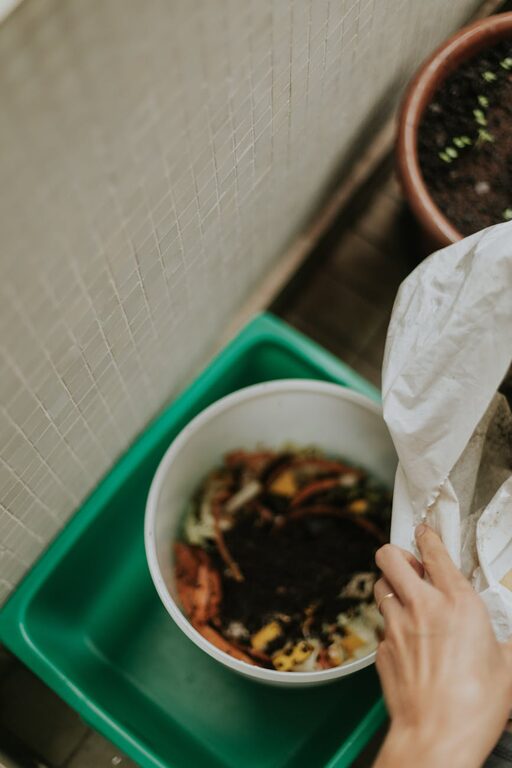
Composting at home is a rewarding and eco-friendly way to reduce waste and create rich, natural fertilizer for your garden. If you’re new to composting, it might seem a little overwhelming at first. However, with a few simple tips and some patience, you’ll be turning your kitchen scraps and yard waste into valuable compost in no time. This blog post will guide you through the basics of home composting and share practical tips to get you started successfully.
What Is Composting and Why Compost at Home?
Composting is the natural process of recycling organic matter, such as food scraps and yard waste, into a nutrient-dense soil amendment. By composting at home, you:
– Reduce the amount of waste sent to landfills
– Enrich your garden soil naturally
– Save money on commercial fertilizers
– Support a healthier environment by lowering greenhouse gas emissions
Getting Started: Choose Your Composting Method
Before you start, decide on the best composting system for your living space and lifestyle. Here are common options:
1. Traditional Compost Bin
A classic compost bin is a container placed outside where you add your organic waste. It usually has good ventilation and a lid to keep pests away.
– Best for: Backyard gardeners with enough outdoor space
– Pros: Easy to manage, good for larger volumes of waste
– Cons: Takes longer to compost if not managed well
2. Tumbler Compost Bin
A tumbler bin is a closed container you can easily rotate to aerate the compost, speeding up decomposition.
– Best for: Busy gardeners who want faster compost
– Pros: Less odor, keeps pests away, speeds up the process
– Cons: Usually smaller capacity, may require some strength to turn
3. Vermicomposting (Worm Composting)
Using special composting worms in a bin, vermicomposting breaks down food scraps quickly, producing nutrient-rich worm castings.
– Best for: Indoor composting and small spaces
– Pros: Can compost indoors, fast results, excellent fertilizer
– Cons: Requires worm care, avoid certain foods like meat or dairy
What Can and Cannot Go Into Your Compost?
Knowing what materials to add is essential for successful composting.
Greens (Nitrogen-rich materials)
– Fruit and vegetable scraps
– Coffee grounds and filters
– Tea bags (non-plastic)
– Fresh grass clippings
– Plant trimmings
Browns (Carbon-rich materials)
– Dry leaves
– Straw or hay
– Shredded newspaper or cardboard (avoid glossy paper)
– Sawdust (from untreated wood)
– Eggshells (crushed)
What to Avoid in Compost
– Meat, fish, dairy products
– Oils and greasy foods
– Pet waste
– Diseased plants
– Weed seeds or invasive plants (unless very hot composting)
– Glossy or colored paper
Tips for Successful Composting
1. Balance Greens and Browns
Aim for a mix of roughly 3 parts brown materials to 1 part green materials. Browns provide carbon, and greens provide nitrogen, essential for microbes to break down the waste efficiently.
2. Keep It Moist but Not Soaking Wet
Your compost pile should feel like a damp sponge. Add water if it’s dry, or add more browns if it’s too wet.
3. Aerate Your Pile Regularly
Oxygen is key for healthy compost. Turn your pile every week or two to speed decomposition and reduce odors.
4. Chop or Shred Materials
Smaller pieces break down faster. Use scissors or a garden shredder for bigger materials like branches or thick vegetable peels.
5. Be Patient
Depending on conditions, composting can take anywhere from a few weeks to several months. Keep managing your pile, and you’ll soon have rich, dark compost ready for your garden.
How to Use Your Finished Compost
Once your compost looks like dark, crumbly soil and has an earthy smell, it’s ready to use. Here are some ideas:
– Mix it into garden beds to improve soil structure.
– Use as mulch around plants to retain moisture.
– Add a layer to houseplants to boost nutrients.
– Blend with potting soil for container gardening.
Troubleshooting Common Compost Problems
– Bad odors: Usually caused by too much green material or poor aeration. Add browns and turn the pile.
– Pests: Avoid adding meat or dairy. Secure your compost bin and use a lid.
– Slow decomposition: Check moisture, balance greens and browns, and chop materials smaller.
– Pile too dry: Add water and green materials.
Final Thoughts
Starting home composting is easier than you think and benefits both your garden and the planet. By choosing the right composting method for your space, maintaining the right balance of materials, and caring for your compost pile, you’ll enjoy continuous supplies of nutrient-rich compost. So gather your scraps and start your composting journey today—your garden will thank you!
Happy composting!