
Birdwatching is a relaxing and rewarding hobby that anyone can enjoy, especially from the comfort of their own backyard. Whether you have a small balcony or a large garden, observing birds can bring nature closer and add joy to your everyday routine. If you’re just starting out, this guide will help you get set up with simple tips to attract birds, identify common species, and make the most of your birdwatching experience.
Why Birdwatching in Your Backyard?
Backyard birdwatching is an accessible way to connect with nature without traveling far. It requires little investment and offers benefits like reducing stress, increasing knowledge about wildlife, and supporting local ecosystems.
Some advantages include:
– Watching birds enhances mindfulness and focus.
– It encourages outdoor time and appreciation for the environment.
– By providing food and shelter, you help local bird populations thrive.
Essential Equipment for Beginners
You don’t need fancy gear to start birdwatching. Here’s a basic list of items that can make your experience better:
Binoculars
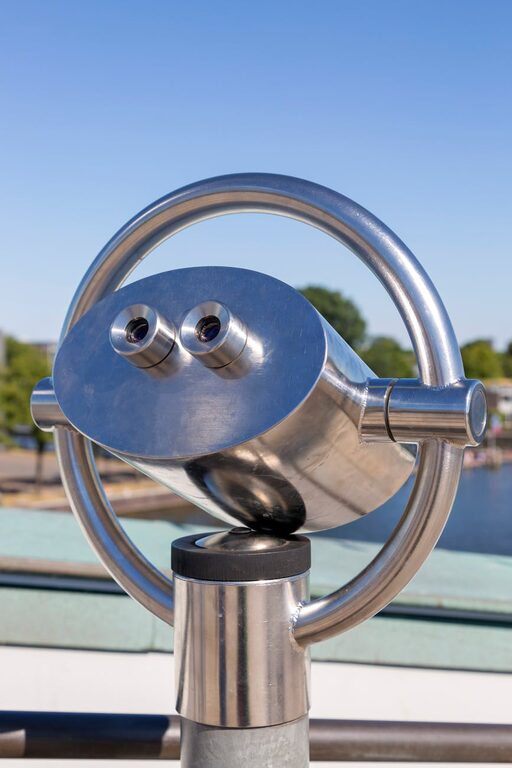
A good pair of binoculars helps you see birds up close from a distance. Look for models designed for birding with a magnification between 6x and 10x.
Field Guide or App
A bird identification guidebook or smartphone app is invaluable. These help you recognize different species based on size, color, and behavior.
Notebook or Journal
Keeping a birdwatching journal can be fun for recording observations such as species spotted, time of day, and weather conditions.
Creating a Bird-Friendly Backyard
To attract birds, you can make simple changes that provide food, water, and shelter.
Offer Bird Feeders
Select feeders based on the types of birds common to your area. Some popular options include:
– Tube feeders for seed-eating birds.
– Suet feeders for woodpeckers and insect-eaters.
– Platform feeders for general use.
Make sure to keep feeders clean to prevent disease.
Plant Native Plants
Native trees, shrubs, and flowers provide natural food sources like berries and seeds, as well as nesting materials and shelter.
Provide Fresh Water
Birds need water for drinking and bathing. A birdbath or shallow dish of water placed in a safe spot will attract many species.
Avoid Chemicals
Limit or avoid pesticides and herbicides in your yard to create a healthy environment for birds and their insect food sources.
Tips for Successful Birdwatching
Here are some practical tips to help you enjoy and improve your birdwatching skills:
– Be Patient: Birds may take time to discover your feeders or plants. Regularly visit at different times.
– Stay Quiet and Still: Sudden movements and noise can scare birds away.
– Observe Peak Times: Early morning and late afternoon are often the best times to see birds active.
– Learn Bird Behavior: Understanding how birds feed, fly, and interact helps with spotting and identification.
– Use Your Senses: Look for feathers, droppings, nests, and listen to bird calls to aid discovery.
Common Birds You Might See
Depending on your region, here are a few common backyard birds you might encounter:
– American Robin: Recognizable by its orange breast and cheerful song.
– Northern Cardinal: Bright red males and soft brown females.
– Blue Jay: Vibrant blue with a distinctive crest.
– Chickadee: Small, friendly birds with a “chick-a-dee-dee” call.
– House Finch: Small birds with red accents and cheerful chirps.
Keeping Track and Learning More
Join local birdwatching groups or online communities to share your experiences and learn from others. Websites like eBird allow you to log sightings and contribute to citizen science.
Final Thoughts
Starting backyard birdwatching is simple, enjoyable, and a great way to engage with nature daily. With a little patience and some friendly preparations, your yard can become a haven for birds of all kinds—and a wonderful source of inspiration for you.
So grab your binoculars, set up a feeder, and begin your birdwatching adventure right outside your door!